There are moments we're called to bring light into the darkest parts of ourselves, the parts deemed ugly, too much, unbearable, fearful. It's in those parts the hero finds the gift, the gold.
So when a life transition hits, or a career collapses into burnout, we call it a mistake, a punishment, or we become victims of circumstance. But darkness only teaches us this: it is the other side of the moon. And that side is still the moon. The same way, those parts within us are still us. We are not more, or less, without them.
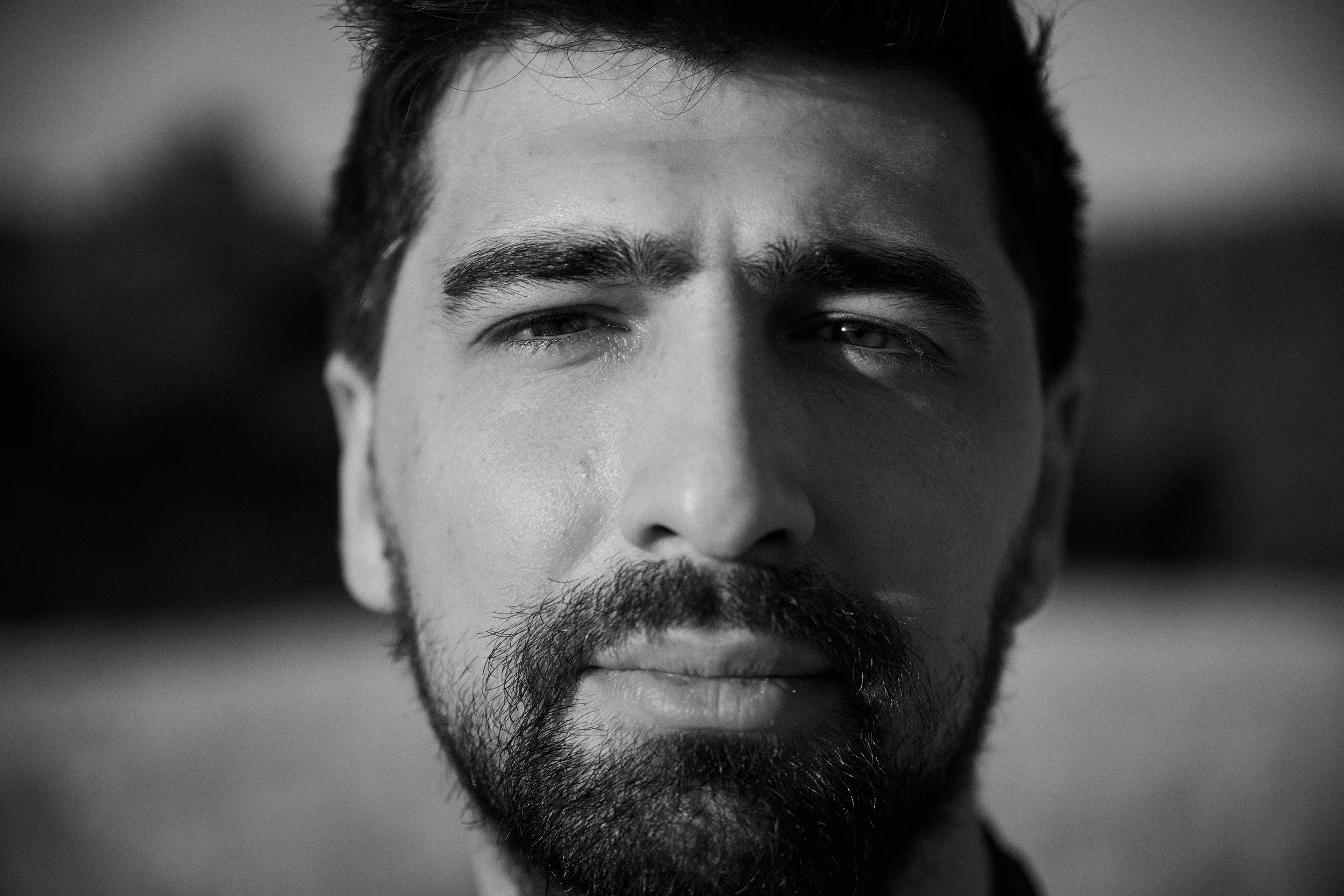
I'm Dragos, a guide based in Amsterdam. I've built my own armor around those parts before I learned to sit with them. My role is simply to hold the lantern as we walk, while you bring more light into your own life.
Some things aren't meant to be carried alone.
Most of what you call fate is a part of you no one has met,
The old idea is that a life doesn't stay whole by accident. Something in a person gets set down early, whenever a house, a job, or a family needs the rest of you to keep functioning without it. Jung called what gets set down the shadow. It doesn't disappear. It waits. Maybe it shows up as redoing something twice because the first version wasn't good enough, even though nobody asked for a second one. Maybe it's that flash of feeling like a fraud right when things are finally going well.
For a long time a person can live well on what's left over. Busy is easy to mistake for whole. You know the feeling, a free evening shows up out of nowhere, and instead of resting into it, you find something to fix, something to plan, anything that keeps your hands moving.
Some of it is quieter than that, saying yes when every part of you wanted to say no, or going along with something because it felt safer than being honest about what you actually needed. It's making yourself a little smaller in a room so nobody feels threatened, and calling that being easygoing. Somewhere underneath most of it is the same plain fear, that being fully seen, without the mask most people learn to wear early, would cost you something you're not ready to lose.
Then one evening there's nothing left to organize, and the thing that's been waiting finds you anyway.
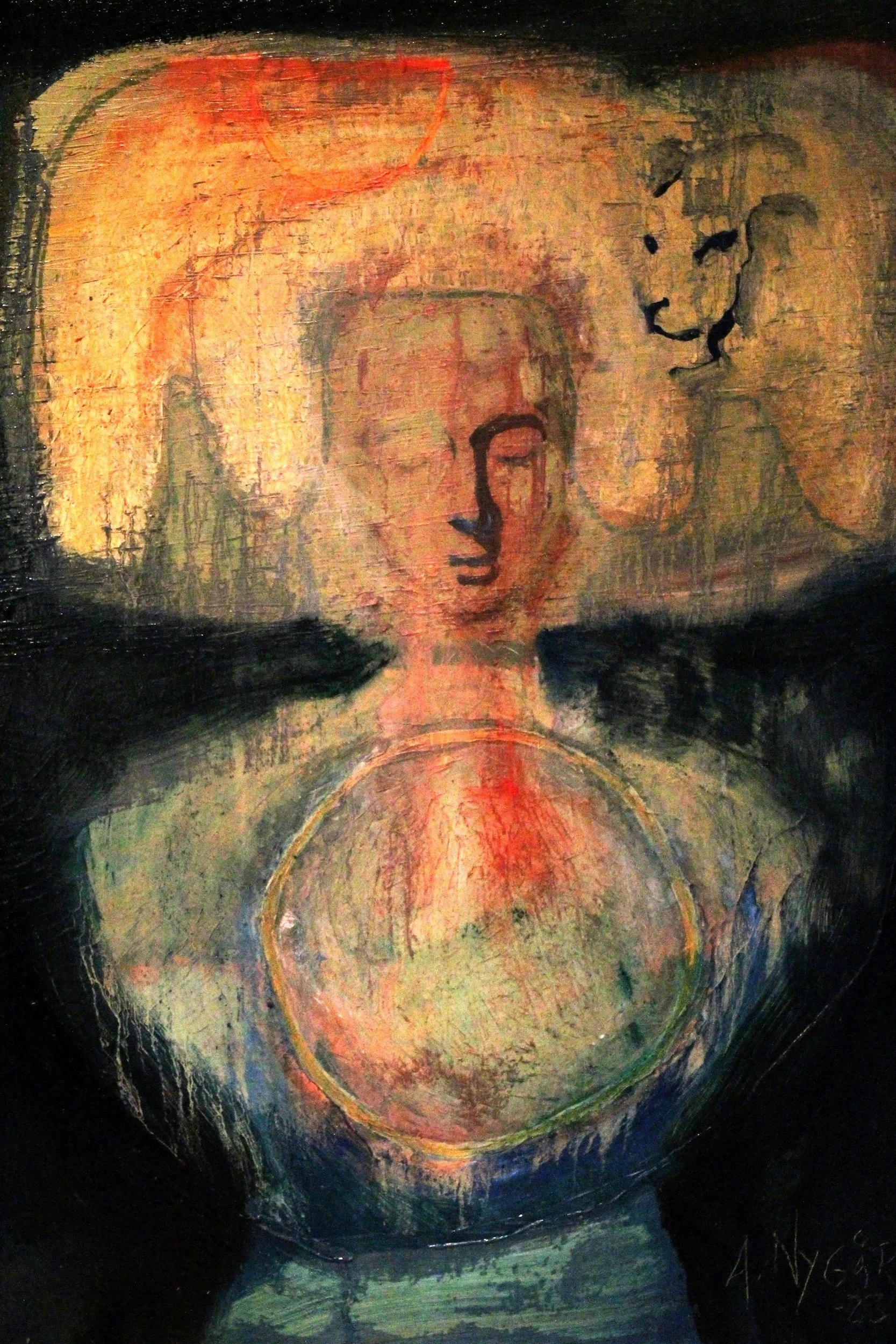
The old traditions had a word for going down into that on purpose instead of by accident, katabasis, a willing descent. Every real change a person goes through asks for some version of it, and there's no shortcut around the going down, only around, and back to the same door later, usually heavier than the first time.
Most people who find their way here already know their own story well enough to tell it at a dinner table. That was never the missing thing. The missing thing is somewhere to actually go down, with someone else keeping watch, instead of standing at the edge of it alone, describing the view.
The Process
You can arrive with a feeling and nothing else. Most people do. A tightness, a flatness, a thing that happened three years ago that still runs the week. The explanation, if there is one, comes later.
We slow down first, because speed is usually part of the problem. Then we start meeting what you've been carrying. Some of it you'll recognize the moment it's named. Some of it takes longer, because you've carried it so long it stopped looking like something you were carrying. It started looking like you.
Most people I work with learned early that needing something makes them a burden. So they became the strong one instead. Good in a crisis, as long as the crisis is someone else's. That strength is earned, and I won't talk you out of it. It has also become the wall between you and whatever lives behind it.
One does not become enlightened by imagining figures of light, but by making the darkness conscious.
— Carl Jung
The work is slow on purpose, in plain language, with your body in the room as much as your thoughts. Old beliefs and old ways of coping made sense once, in a house or a job or a marriage that needed them, and they kept running long after the need ended. They loosen when they're finally met. So that's what we do. We sit with the thing until it shows you what it was protecting.
There's no fixed number of sessions and no script. The pace is yours, and you'll be the first to know when the work is done.
“Run towards the roar,’ the old people used to tell the young ones. When faced with great danger and when people panic and seek a false sense of safety, run towards the roaring and go where you fear to go. For only in facing your fears can you find some safety and a way through. When the world rattles and the end seems near, go towards the roar.”
― Michael Meade
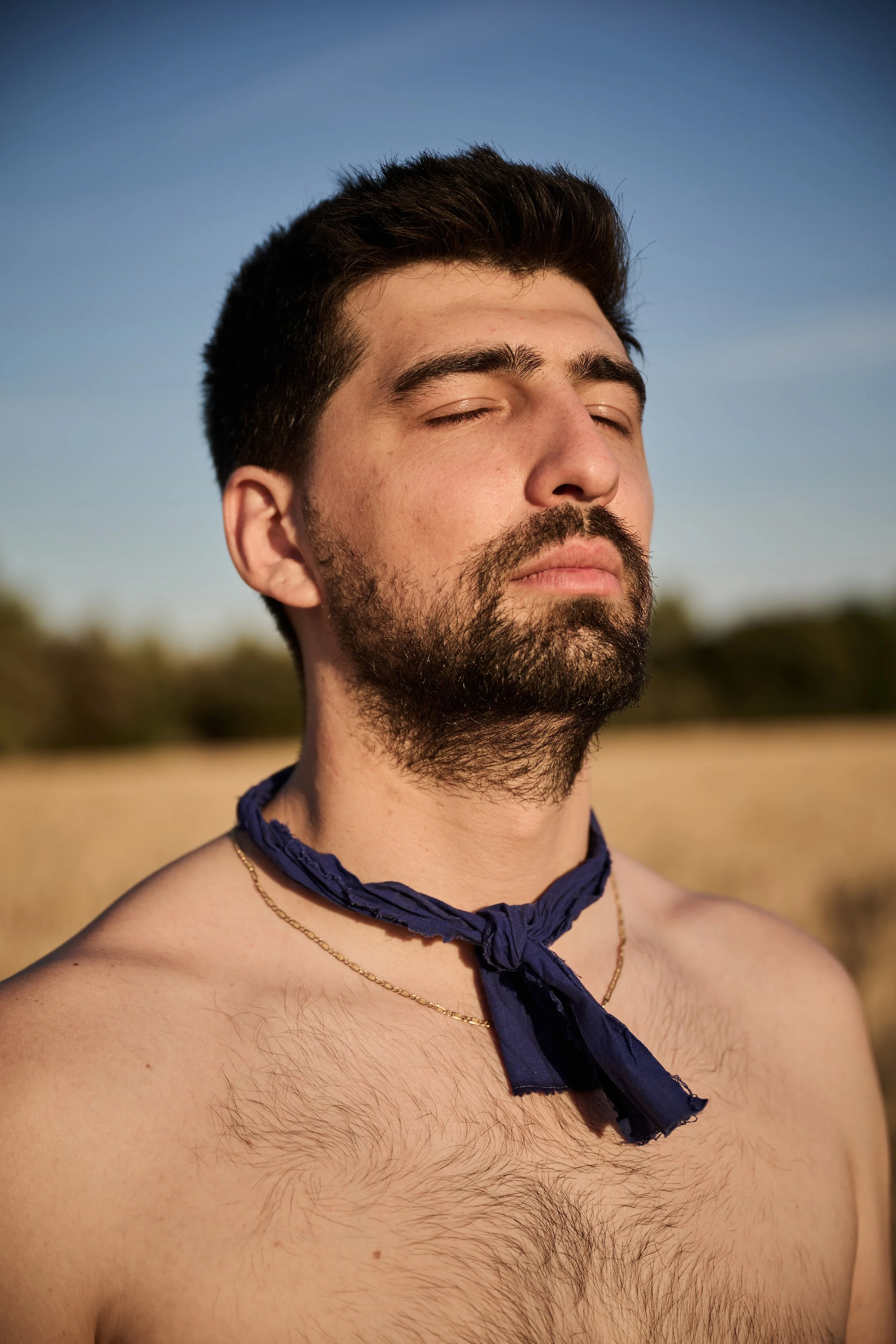
Dragos Radu
I work with men and women navigating anxiety, burnout, and transitions that don't announce themselves.
There's a version of my life that looks like a hotel corridor, then an office corridor. Hospitality first, then corporate, both times climbing toward something steadier. Both times, I burned out. Looking back, that was life's way of getting my attention, telling me something needed to change. Then my body gave out too. I ended up limping, relearning how to walk. That's when avoidance stopped being possible, and I had to deal with what was actually there.
I trained with Sacred Sons, the ManKind Project, and other men's work spaces. What surfaced in me wasn't subtle. Isolation I'd never called isolation. Shame about needing anything from anyone (including asking for help). Years of making myself smaller so I wouldn't come across as too much, or too emotional, or not enough of whatever a man was supposed to be. I recognized the pattern of trying to be liked instead of being honest, saying yes when I meant no, chasing status because I didn't trust I was worth anything without it. Staying with that, instead of managing it away like I always had, is what actually helped me change.
I started the Orion Project afterward, a men's circle here in Amsterdam. Fire circles, evenings built around the kind of room I once needed and couldn't find.
A few things I don't bend on. What's said in a session stays in the room. I let people decline a question, always, because that's part of what keeps a room safe. I lead with curiosity and compassion, and I don't ask anyone to go somewhere I haven't been myself, I'm still walking parts of this. And I don't run one process for everyone, because no two people carry the same weight the same way.
TRAINING & EDUCATION
BA Business Administration, Hotelschool The Hague Amsterdam
Leadership & Transpersonal Life Coaching Training Certification, Sofia University Palo Alto
International Coaching Federation (ICF) Level 1
Compassionate Inquiry Training with Gabor Mate, 1-year long training online
Personal Development Counsellor & Business Coaching Certification, Confident Business Bucharest
The Way of the Shaman, Foundation of Shamanic Studies
(Some of the) Personal trainings attended:
Sacred Sons
Soul of Men
ManKind Project

Ways to Work Together
-
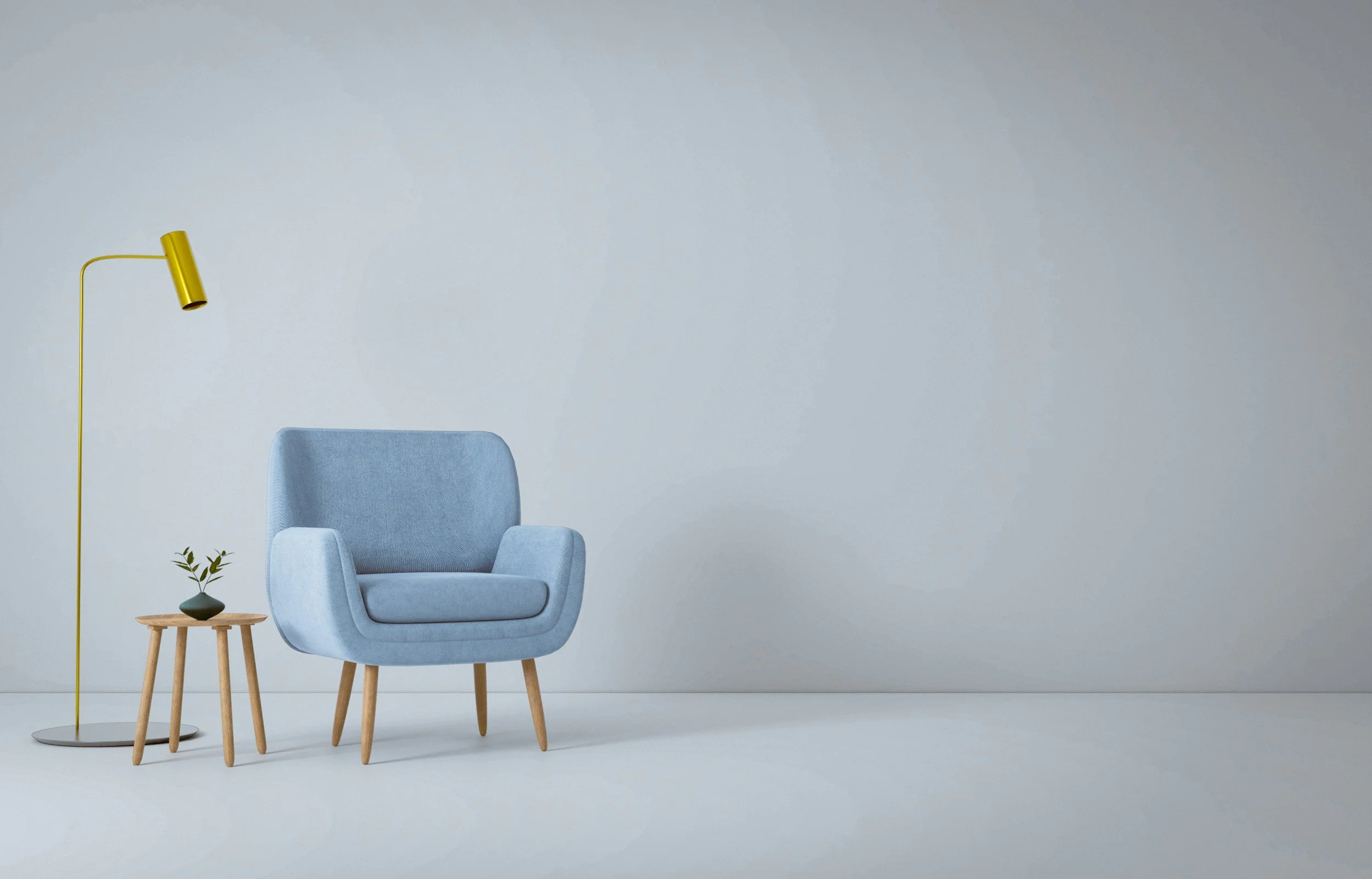
![coaching session location, Amsterdam office]()
In-Person
Sessions at my Amsterdam office. Good for deeper work, somatic practice, the kind of presence that's harder to get through a screen.
-
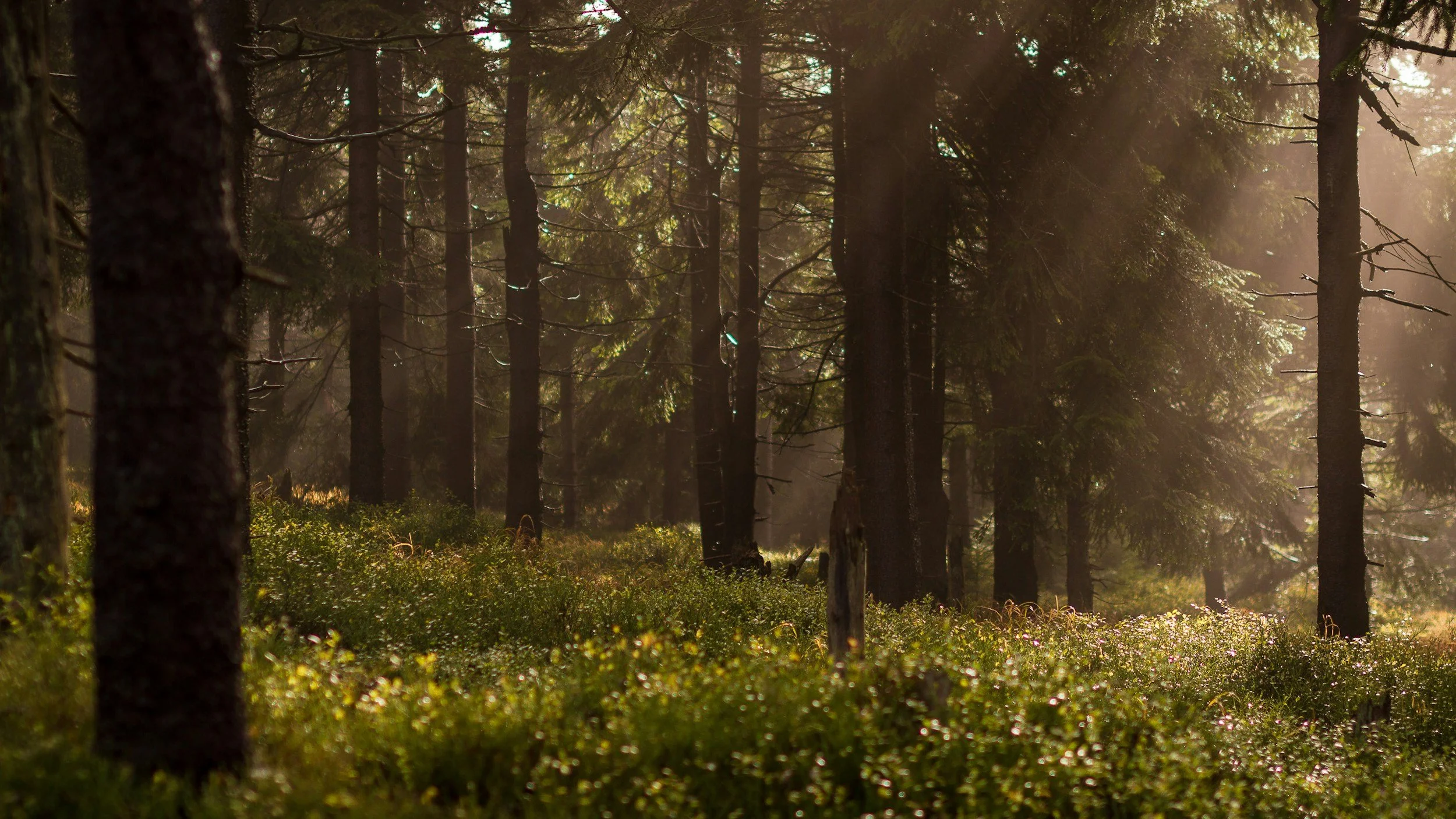
![Sunlight filtering through a dense forest of tall pine trees, illuminating the green moss and undergrowth at ground level.]()
In-Nature
Outdoor sessions in and around Amsterdam. Walking, breathing, working with what's around you instead of four walls. If sitting across from someone in a room doesn't feel like where this work lives for you, this might.
-
![Close-up of a silver laptop keyboard on a white surface.]()
Online
For when distance or scheduling makes in-person hard. Same depth, different format, video sessions that still hold a rhythm.
-
![corporate/in-company training and coaching]()
Corporate/In-Company
Workshops and one-on-one guidance for teams under sustained pressure. Burnout is territory I know from the inside, twice, in hospitality and corporate. If your people are running on fumes, write to me and we'll see what fits.

Codependency
Life Transitions
Shame & Guilt
Grief & Loss
Anxiety
Burnout
Relationship Patterns
Codependency Life Transitions Shame & Guilt Grief & Loss Anxiety Burnout Relationship Patterns
My Approach
There's an old Sufi story about a man named Nasruddin, sometimes wise, sometimes a fool, and the story never quite tells you which one he is that night. He's coming home late, half in the dark after a night at the tavern, and right near his own door he realizes he's lost the only key to his house. So he gets down on his hands and knees, searching, right there under an old gas lamp in the street. A friend passes by, sees him crawling around, and stops to help. The two of them search together for a while, in that same small circle of light, until the friend finally asks, are you sure this is where you dropped it? No, Nasruddin says, he dropped it back there, somewhere in the dark, closer to his own door. So why are we looking here, the friend asks. Because the light is where you find things, no? Nasruddin says. And the friend has nothing to say to that. The story just ends there, unresolved.
Most people are looking for what they've lost exactly where it's easiest to see. What they're actually looking for is in the dark. The key that opens the life you actually want isn't sitting under the lamp. It never was. My work isn't to hand you the key. It's closer to what that friend did, get down in the dark with you, and eventually ask the one honest question, are you even looking in the right place.
In practice, that means a session doesn't ask anything of you beforehand. You don't need to arrive prepared, or start with your childhood, or have your pain in any kind of order. We start wherever you actually are that day, even if that's just "I don't know." Among others, I'm trained in Compassionate Inquiry, somatic work, and nonviolent communication, and that training is mostly what tells me when to stay quiet and when to ask something harder. You're always free to decline a question. If I don't know something, I'll say so.
Getting Started
01. Reach out
Send me a message about what's bringing you here. It doesn't need to be polished or figured out. A few honest sentences are enough. I'll reply within a day.
02. We talk
A free 30-minute call. You get a sense of how I work, I get a sense of what's been going on, and we decide together whether to continue. If I'm the wrong person for it, I'll say so on the call.
03. We start
If it fits, we set a time. The first session starts wherever you are.
Whenever you're ready…
Frequently Asked Questions
Still have questions? Reach out directly, there's no such thing as too small a question before we've talked.
-
Formally: Compassionate Inquiry, somatic work, nonviolent communication. Underneath that, a conviction the old stories keep repeating: the thing you avoid is usually the thing that has your energy. Sessions follow what's alive in the room, so no two run alike.
-
That's up to you. Some people want ongoing support, others come for a specific thing and then stop. I'll check in with you regularly so we both know if it's still working.
-
Single sessions are €95 for 60–75 minutes. I'm not affiliated with insurance providers, so sessions aren't reimbursed through Dutch health insurance. Some employers cover this kind of work through a personal development or wellbeing budget, worth checking with HR if that's an option for you. Invoices are provided regardless.
-
Ongoing work usually costs less per session and gives things a shape, a set number of times we'll meet before checking in on where things stand.
The Threshold — 6 sessions, €570
The Descent — 10 sessions plus a full day in nature, €1,300
Signature Container — 8 sessions, an embodiment day, and a closing integration call, €2,100 -
In person at my office in Amsterdam, outdoors in and around the city, and online via Zoom.
-
A therapist works within a clinical frame and can diagnose and treat. My work is guidance. We sit with what you're carrying, at your pace, until you find your own way through it. Some people see a therapist and work with me at the same time, and the two go well together. If what you bring needs clinical care, I'll say so and help you find it.